Reuse First: Our Approach to Textile Recovery
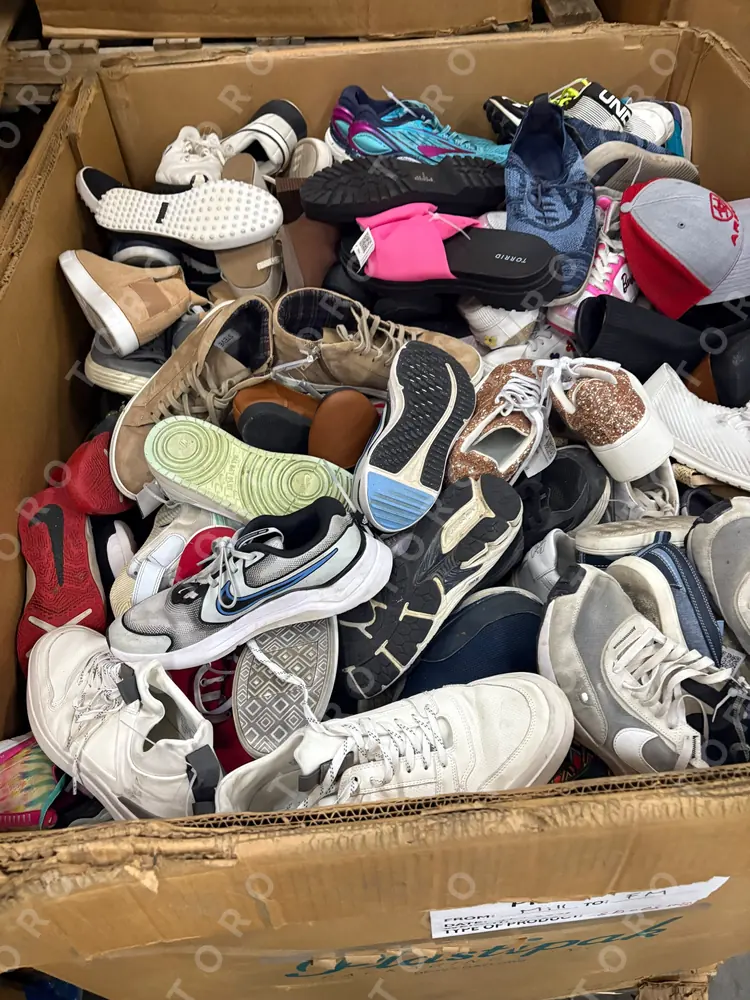
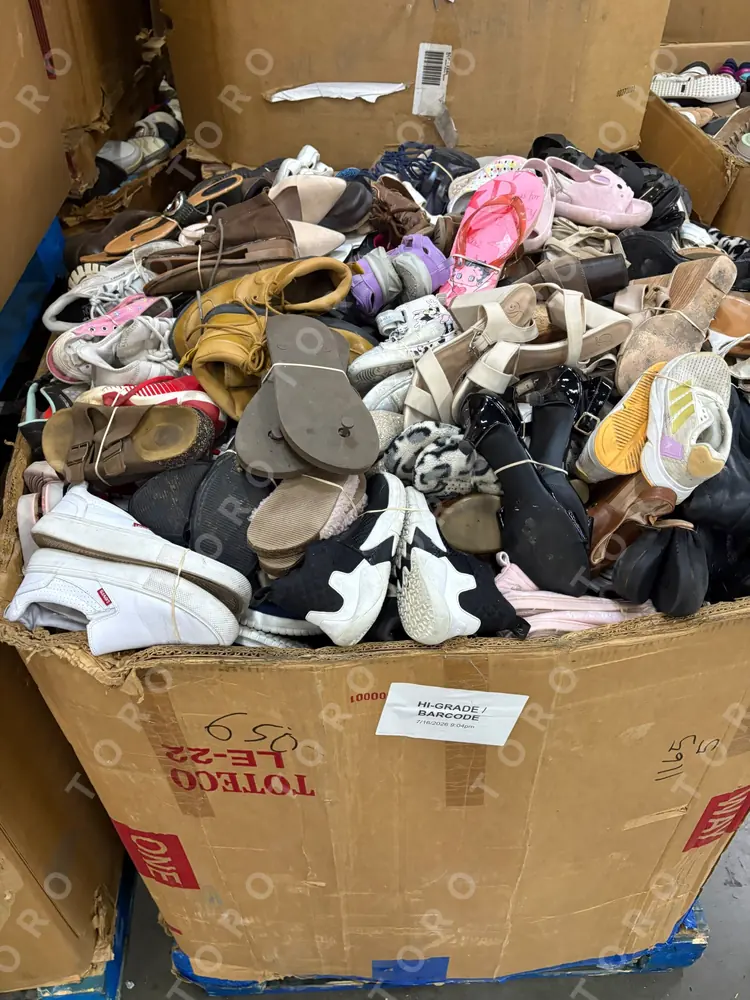
The most sustainable thing that can happen to a garment is that someone else wears it. Recycling a textile into fiber recovers a fraction of the value and energy that went into making it; reuse recovers almost all of it. Every decision we make about grading is a decision about keeping usable goods usable.
The reuse hierarchy
We sort against a simple order of priority. Wearable garments go to the grades that put them back into use. Items that cannot be worn are directed to countries where they can be used and recycled. What we do not do is bale unusable goods into a wearable grade and let the buyer discover it — that is how a load becomes waste in someone else's country instead of ours.
Beyond textiles
The same logic applies to everything else we handle. A bicycle, a set of pots, a school bag and a hard toy all have far more life left in them than a landfill allows, and all of them sell in markets where the new equivalent sits well above what a family will pay.
Responsible trade
The secondhand trade is scrutinized, and rightly so where it is done badly. Our position is straightforward: we sell usable goods to buyers who can sell them, we describe grades accurately so that nothing is imported that the market cannot absorb, and we tell a buyer when the grade they have asked for is wrong for their market.